Introduction
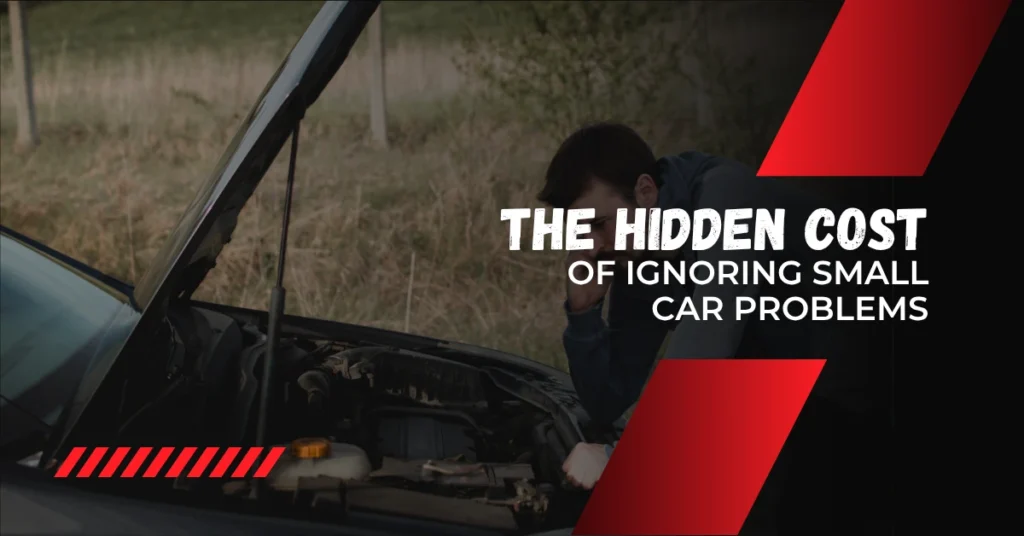
Almost every car owner has done it.
A slight squeak from the brakes. A small crack on the windshield. A dashboard warning light that goes away after a while. A minor scratch that “can wait until next month.”
Since the car still drives fine, it’s easy to tell yourself the problem isn’t urgent. But most major repairs don’t happen overnight — they start out small and quietly get worse over time.
Ignoring these warning signs doesn’t just push up your repair bill. It can also affect your safety, fuel efficiency, resale value, and how reliable your car stays in the long run.
Whether you’re driving through Hyderabad’s city traffic every day or clocking highway kilometres, staying on top of small problems is one of the smartest ways to protect what you’ve invested in your car.
In this guide, we’ll look at some of the most commonly ignored car issues, why they get expensive if left alone, and how a bit of preventive maintenance can save you from repairs you didn’t need to have.
1. That Strange Noise Isn’t Going to Fix Itself
Cars don’t usually make strange noises for no reason.
A squeaking brake, a knocking suspension, a rattling dashboard — unusual sounds are often your car’s first way of telling you something needs attention.
The longer you ignore it, the more parts it can end up affecting.
Take a worn brake pad, for instance. Replacing it early is cheap. Let it wear down completely, though, and it can start damaging the brake disc or rotor too — and suddenly the repair costs a lot more.
Common sounds you shouldn’t ignore:
- Squealing while braking
- Knocking over bumps
- Grinding noises
- Clicking while turning
- Engine ticking
MotoMinds Tip: If your car suddenly starts making a new sound, don’t wait around for it to get louder. Catching it early almost always costs less than fixing it late.
2. Dashboard Warning Lights Are There for a Reason
Modern cars are constantly keeping tabs on their own systems through onboard sensors.
When a warning light comes on, that’s your car trying to tell you something needs a look.
A lot of drivers brush these off because the car still feels fine to drive. But some problems keep developing quietly, even without any noticeable symptoms.
Common warning lights include:
- Check Engine
- Battery
- Oil Pressure
- ABS
- Coolant Temperature
Not every warning light means an emergency, but none of them deserve to be ignored for weeks or months. A quick diagnostic scan can often catch small issues before they turn into expensive mechanical failures.
3. Small Fluid Leaks Can Lead to Major Repairs
Not every leak leaves an obvious puddle under your car.
Small drips of engine oil, coolant, brake fluid, or transmission fluid often go unnoticed until the damage is already serious.
Running your car on low fluid levels increases friction, overheating, and unnecessary wear on parts that aren’t cheap to replace.
Watch for:
- Fresh stains where you park
- Burning smells
- Sweet odour (coolant)
- Low fluid levels
- Engine overheating
The sooner a leak gets fixed, the smaller the repair bill tends to be.
4. Minor Paint Damage Isn’t Just Cosmetic
A lot of people treat scratches, stone chips, and peeling clear coat as purely a looks issue.
But once the paint’s exposed, the metal underneath is open to moisture, dirt, and everyday contaminants.
Over time, that tiny chip can turn into surface rust — and eventually corrosion that means repainting entire panels.
Protect your paint by:
- Repairing stone chips early.
- Washing contaminants off regularly.
- Applying ceramic coating or PPF.
- Removing bird droppings immediately.
- Parking under cover whenever possible.
Preventing paint damage is a lot cheaper than restoring bodywork that’s been neglected.
5. Uneven Tyre Wear Costs More Than New Tyres
Tyres don’t wear unevenly without a reason.
Uneven tread usually points to something else going on, like:
- Poor wheel alignment
- Suspension wear
- Incorrect tyre pressure
- Wheel balancing issues
Ignoring these signs doesn’t just shorten how long your tyres last — it also affects handling, braking, and fuel efficiency.
Replacing tyres early is already an expense. Add suspension repairs on top because the warning signs got ignored, and the bill gets a lot bigger.
Quick Inspection
Take a minute every few weeks to look over your tyres. If one edge looks more worn than the other, get it checked before you replace anything.
6. Delaying Regular Detailing Can Shorten Your Car’s Lifespan
Detailing isn’t just about making your car look clean.
Professional detailing removes the contaminants that slowly damage paint, wheels, trim, glass, and even interior materials.
Over time, dirt, road grime, UV exposure, bird droppings, tree sap, and industrial fallout can permanently mark your car’s finish if you never deal with them.
Routine detailing helps:
- Protect the paint
- Preserve interior materials
- Maintain resale value
- Reduce long-term restoration costs
- Keep your vehicle looking newer for longer
Think of detailing as preventive care, not a luxury add-on.
So far, we’ve covered six commonly ignored issues that quietly turn into expensive repairs — from strange noises and warning lights to tyre wear and skipped detailing.
But those aren’t the only ones worth watching. A lot of hidden repair bills start with parts drivers rarely check until something’s already gone wrong. Catching these warning signs early and staying on top of maintenance can save you money, keep you safer, and extend your car’s life.
Here are the next six problems every car owner should know about.
7. Worn Suspension Doesn’t Just Affect Comfort
If your car feels bumpier than usual, or bounces more than it should after a pothole, your suspension might be trying to tell you something.
Hyderabad’s roads, speed breakers, and the occasional pothole put constant stress on shock absorbers, struts, and bushings.
Ignoring suspension problems can lead to:
- Uneven tyre wear
- Reduced steering control
- Longer braking distances
- Increased stress on other components
Warning Signs
- Car dips while braking
- Excessive bouncing
- Clunking noises over bumps
- Steering feels unstable
Replacing a worn suspension part early is a lot cheaper than replacing damaged tyres and multiple steering components down the line.
8. Dirty Air Filters Reduce Performance and Fuel Efficiency
Both your engine air filter and cabin air filter play a bigger role than most people realise.
A clogged engine air filter restricts airflow, so the engine has to work harder and burns more fuel.
A dirty cabin filter, meanwhile, affects the air quality inside your car and cuts down on AC performance.
Symptoms of a Dirty Air Filter
- Poor acceleration
- Lower fuel economy
- Weak AC airflow
- Unpleasant odours
- Increased dust inside the cabin
Replacing air filters on schedule is one of the simplest, most affordable things you can do for your car.
9. Small Windshield Chips Can Become Full Cracks
A tiny stone chip might look harmless today, but after a few weeks of rough roads and temperature swings, it can spread across the windshield fast.
Once a crack expands, repair usually isn’t an option anymore — the whole windshield often needs replacing.
Act Early If You Notice
- Small stone chips
- Hairline cracks
- Cracks near the edges
- Damage affecting visibility
Fixing a chip early is quicker and a lot cheaper than replacing the entire windshield later.
10. Neglecting Wheel Alignment Costs More Than You Think
A lot of drivers assume alignment only matters after new tyres go on.
In reality, everyday driving over potholes, uneven roads, or speed breakers can gradually knock your wheels out of alignment.
Poor alignment causes:
- Uneven tyre wear
- Poor steering response
- Reduced fuel efficiency
- Increased suspension wear
When Should You Get an Alignment?
- After hitting a large pothole
- If the steering wheel isn’t centred
- If the vehicle pulls to one side
- After replacing suspension components
A simple alignment service can stretch out tyre life and make your everyday driving noticeably more comfortable.
11. Ignoring Interior Care Can Hurt Resale Value
Your car’s interior takes a daily beating from sunlight, dust, spills, and everyday use.
Cracked dashboards, faded trim, stained upholstery, and lingering smells don’t just make the cabin less pleasant — they also chip away at your car’s resale appeal.
Protect Your Interior By
- Cleaning surfaces regularly
- Using UV protectants
- Conditioning leather seats
- Vacuuming carpets frequently
- Addressing spills immediately
A well-kept interior says a lot about how the car’s been looked after — and it usually shows up in a better resale price.
12. Skipping Preventive Inspections Is the Most Expensive Mistake
A lot of car owners only show up at a workshop once something’s already gone wrong.
By that point, other components may already have been affected too.
Routine inspections let technicians catch wear before it turns into a breakdown.
A professional inspection can detect:
- Fluid leaks
- Brake wear
- Suspension issues
- Battery health
- Tyre condition
- Electrical faults
- Belt and hose wear
Preventive maintenance isn’t money wasted — it’s what keeps you from a much bigger repair bill later.
Conclusion
Your car rarely breaks down without warning you first.
A strange sound, a warning light, uneven tyre wear, or a small fluid leak might not seem like a big deal today, but left alone, these small issues tend to grow into major repairs.
The good news is that most expensive repairs are avoidable. Pay attention to the early warning signs, stick to a consistent maintenance schedule, and you’ll improve your safety, cut down on long-term costs, and keep your car performing well for years.
Taking care of the small stuff today is always easier — and cheaper — than dealing with the big stuff tomorrow.
Why MotoMinds?
At MotoMinds, we believe great car care is about prevention, not just fixing things after they break.
Our team combines technical know-how with premium automotive care to help you catch potential issues before they turn into costly problems. Whether your car needs routine detailing, paint protection, ceramic coating, guidance on wheel alignment, or a full health inspection, we focus on keeping both its performance and appearance in top shape.
From daily commuters to luxury vehicles, every car gets the same attention to detail, quality products, and professional workmanship MotoMinds is known for.
Don’t Let Small Problems Turn Into Big Expenses
Noticed a warning light, an odd sound, or uneven tyre wear? Or just want the peace of mind that your car’s in good shape? Let the team at MotoMinds help.
Book a professional inspection or detailing service today, and keep your car performing, looking, and driving its best — before small issues turn into costly repairs.
FAQs
1. Why shouldn’t I ignore small car problems?
Small issues tend to get worse over time, leading to bigger damage, higher repair costs, and reduced safety.
2. How often should I have my car professionally inspected?
A comprehensive inspection every six months, or as your manufacturer recommends, is a good baseline. It’s also worth doing before long road trips or when the seasons change.
3. Can ignoring wheel alignment damage my car?
Yes. Poor alignment speeds up tyre wear, affects handling, cuts fuel efficiency, and puts extra stress on your suspension.
4. Is professional detailing really part of vehicle maintenance?
Yes. Regular detailing protects your paint, interior, and exterior surfaces from everyday damage, which helps preserve your car’s appearance and resale value.
5. How do I know if a dashboard warning light is serious?
Any warning light is worth getting diagnosed promptly. Even if the car feels fine to drive, the underlying issue can keep getting worse if it’s left unchecked.
6. Can small paint chips really cause rust?
Yes. Once the protective paint layer is broken, moisture can reach the metal underneath, which can eventually lead to corrosion.
7. What’s the easiest way to reduce long-term repair costs?
Stick to your car’s maintenance schedule, deal with problems as soon as they show up, and get it inspected regularly by people who know what they’re looking for.